
Types of Blackout Blinds? An Overview
Some types of blackout blinds include honeycomb, roller, cellular, cordless, and motorized blinds, each designed with a specific function in mind, like insulation, protection, and convenience.


Table of Contents
What Is Blackout Blinds
Honeycomb Blackout Blinds
Roller Blackout Blinds
Cellular Blackout Blinds
Cordless Blackout Blinds
No Drill Blackout Blinds
Automatic Blackout Blinds
Electric Blackout Blinds
Motorized Blackout Blinds
Blackout Blinds Installation Guide
Custom Blackout Blinds Online
Conclusion
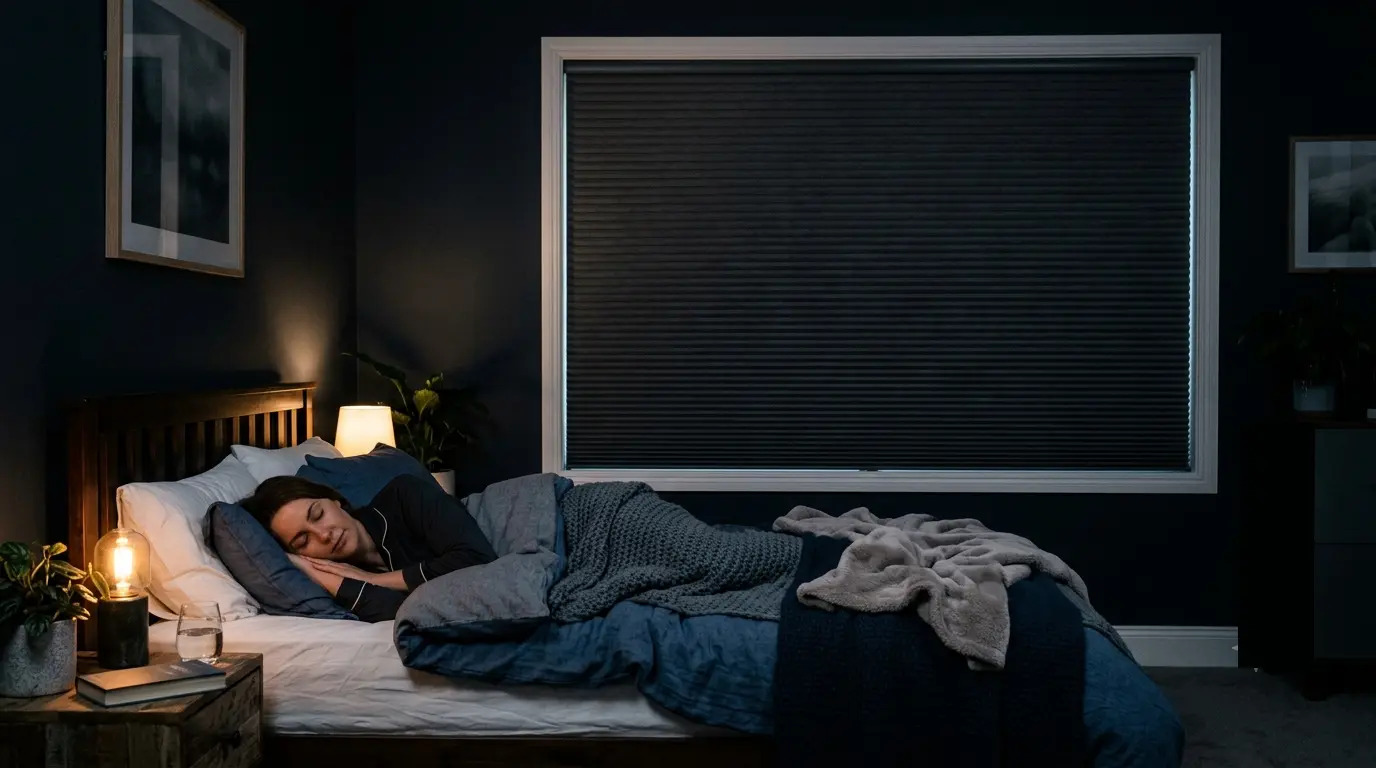
Blackout blinds are often installed in bedrooms, nurseries, and entertainment rooms where darkness is preferred over diffused sunlight.
Types of Blackout Blinds
Not all blackout blinds are the same, and while your neighbor may recommend a blind she likes, it may not work well with your home windows. Some types of blackout blinds include honeycomb, roller, cellular, cordless, and motorized blinds, each designed with a specific function in mind, like insulation, protection, and convenience. Here, we help you differentiate between the different types of blackout blinds.
Honeycomb Blackout Blinds
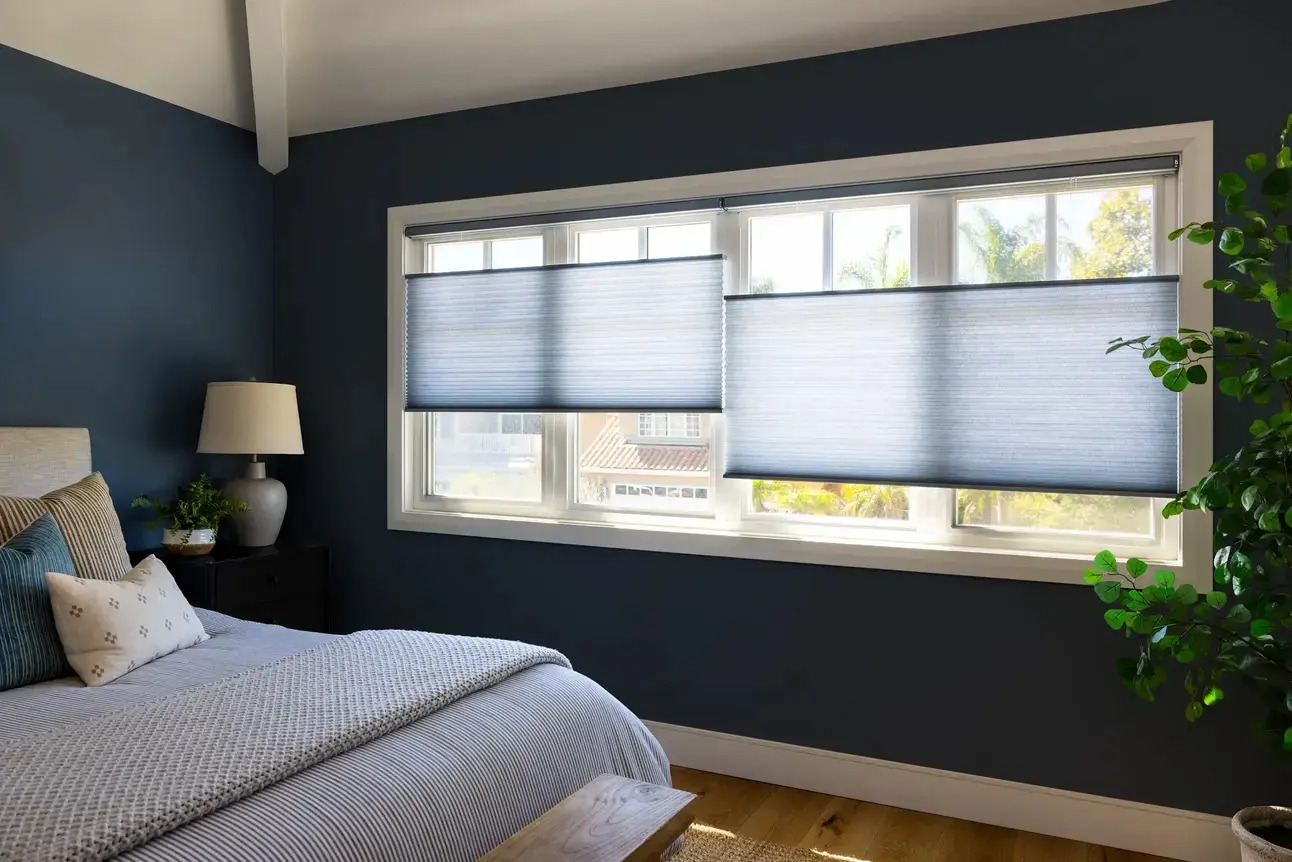
The honeycomb blackout blind derives its name from the cells that have been created inside the fabric in such a way as to create empty spaces between the shade and the window glass through which air can get trapped. The design not only prevents light but is also responsible for the increased efficiency of the insulation because air is a poor conductor of heat. Haven Shades use a honeycomb design in their shades instead of using just one solid panel. For a design built more around a single flat panel, roller blackout blinds offer a simpler, more minimal alternative.
Roller Blackout Blinds
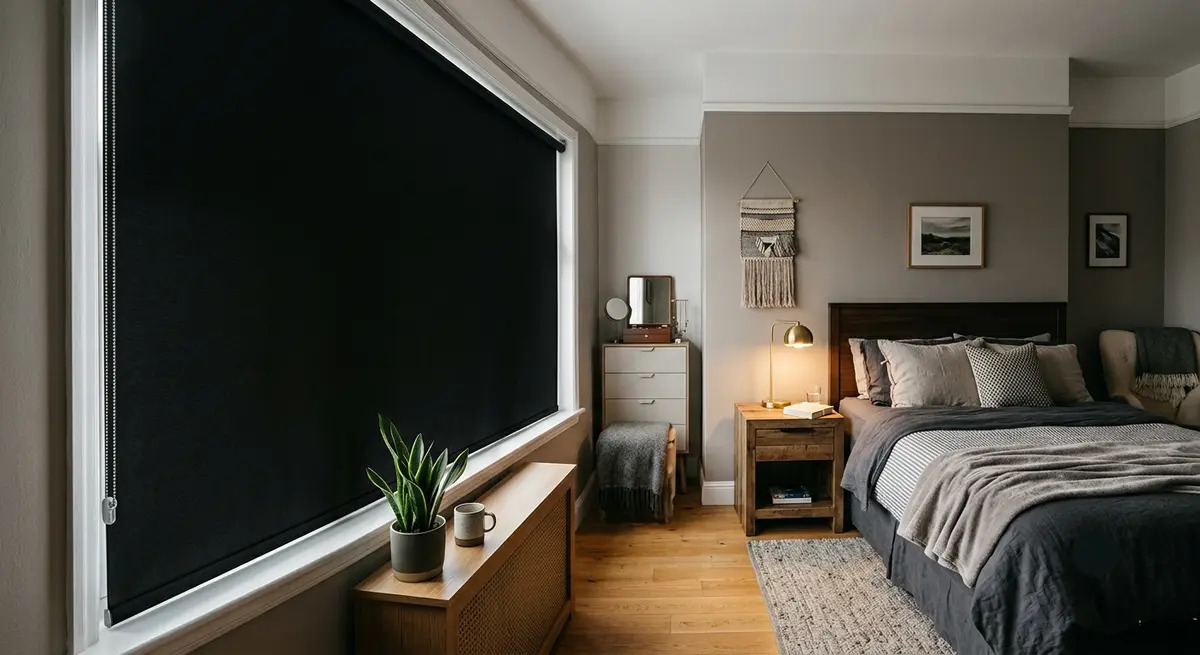
The roller blackout blind consists of a single piece of material that is rolled up and down along the tube, giving a sleek and neat appearance that blends well with virtually any type of interior decoration style. It is easy to operate, as there are few components in this style of blind, making it one of the easiest types to manage on a daily basis. The main challenge is the relationship between the width of the fabric and the window frame size. The simple mechanism makes them one of the easiest styles to operate and maintain, though for stronger insulation, honeycomb blackout blinds or cellular blackout blinds are usually the better pick.
Cellular Blackout Blinds
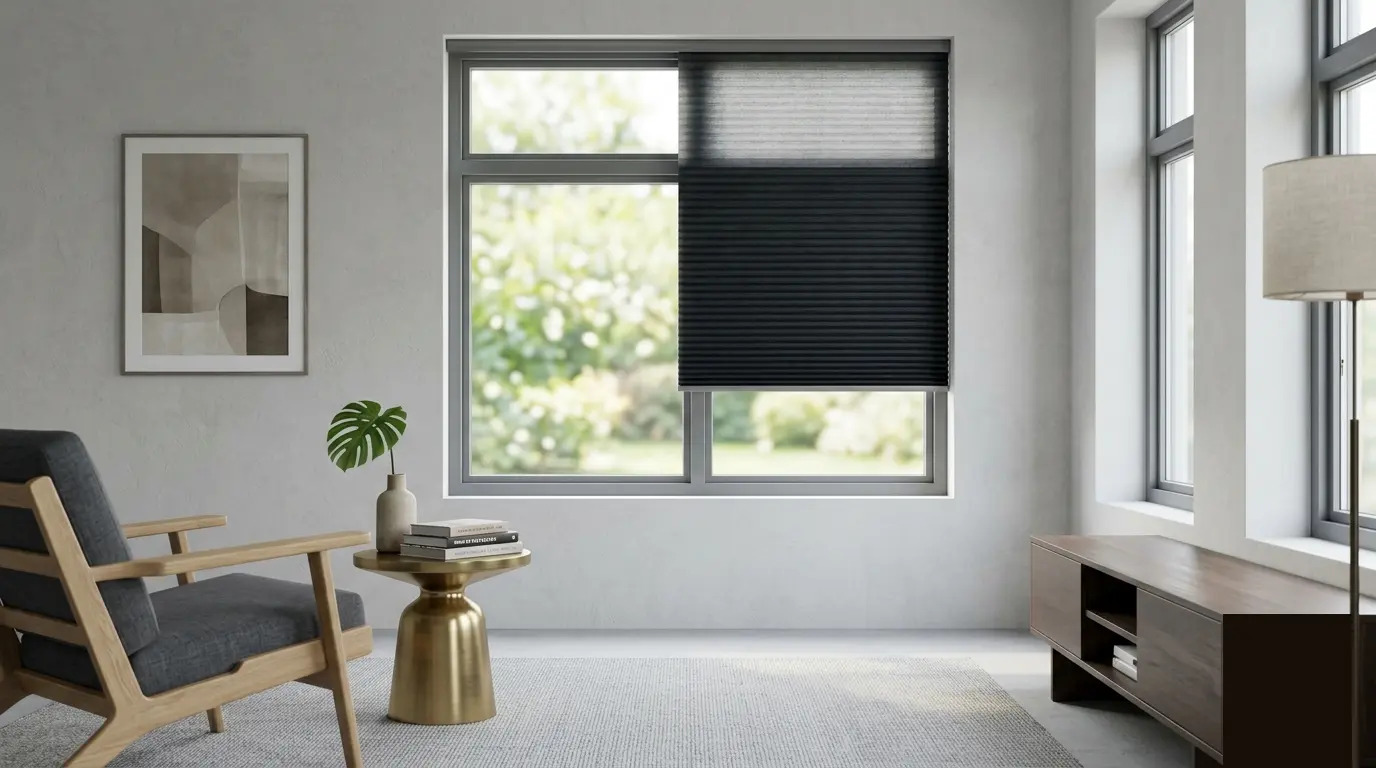
Cellular blackout blinds are very much like honeycomb blinds and can be used as such in the trade; they offer excellent light blocking abilities combined with high energy efficiency. The multiple layers that make up cellular blinds block light but also prevent draughts from entering the room via windows; thus, cellular blinds are popular among customers seeking bedroom blinds for cold regions. Cellular blinds are slightly more expensive than standard roller blinds. The layered cell structure blocks light while cutting down on drafts near the window, making it a strong option alongside no drill blackout blinds for renters who still want insulation benefits.
Cordless Blackout Blinds
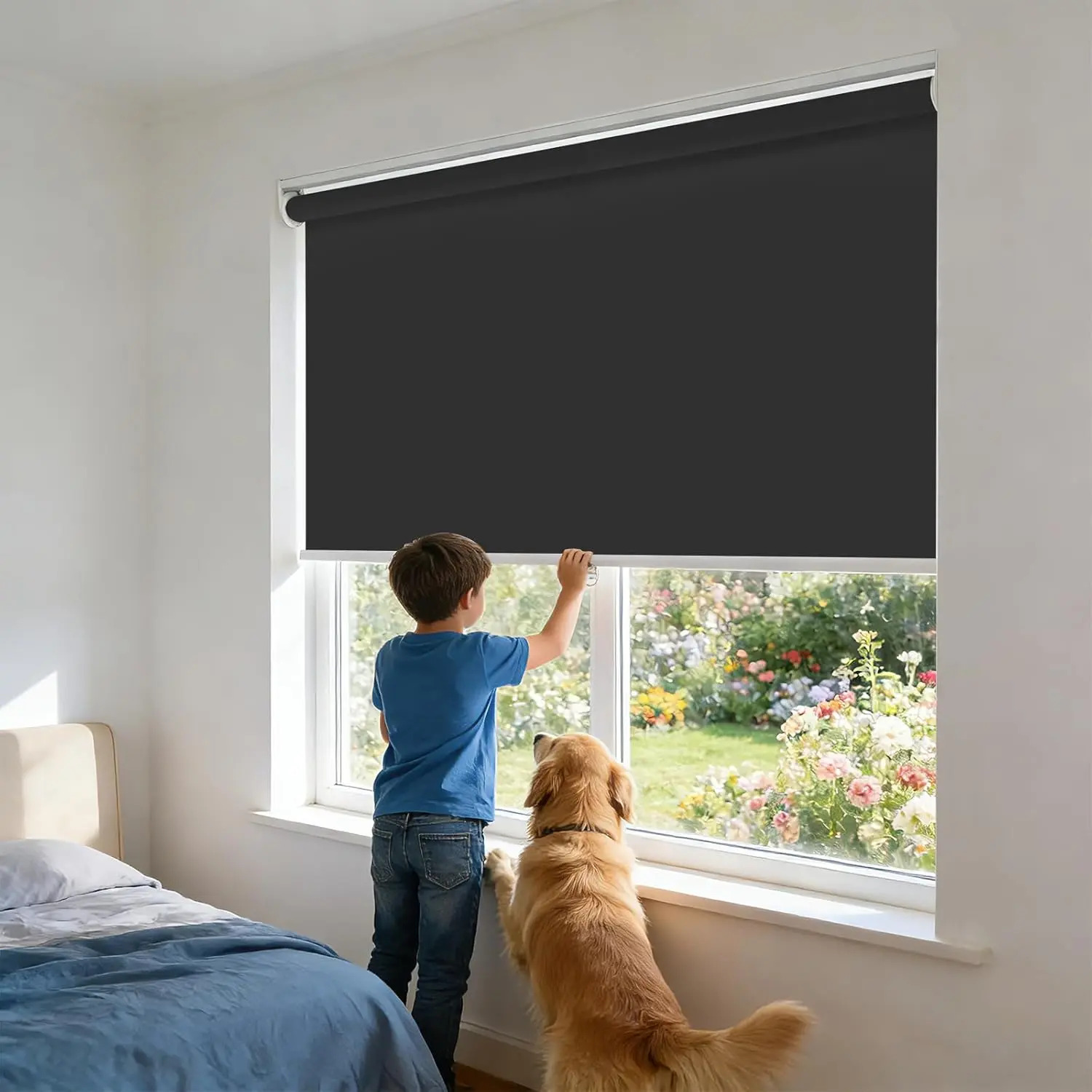
The cordless blackout blinds have a completely absent pull string, with the blinds operating using the help of springs and tension systems to lower and raise them. As a result, they are safer to use in homes with children or animals because there will be nothing that can get tangled. Besides, the absence of strings contributes to their improved aesthetics on the window. This makes them a safer choice for homes with young children or pets, and they pair naturally with no drill blackout blinds for a setup that's both safe and damage-free.
No Drill Blackout Blinds
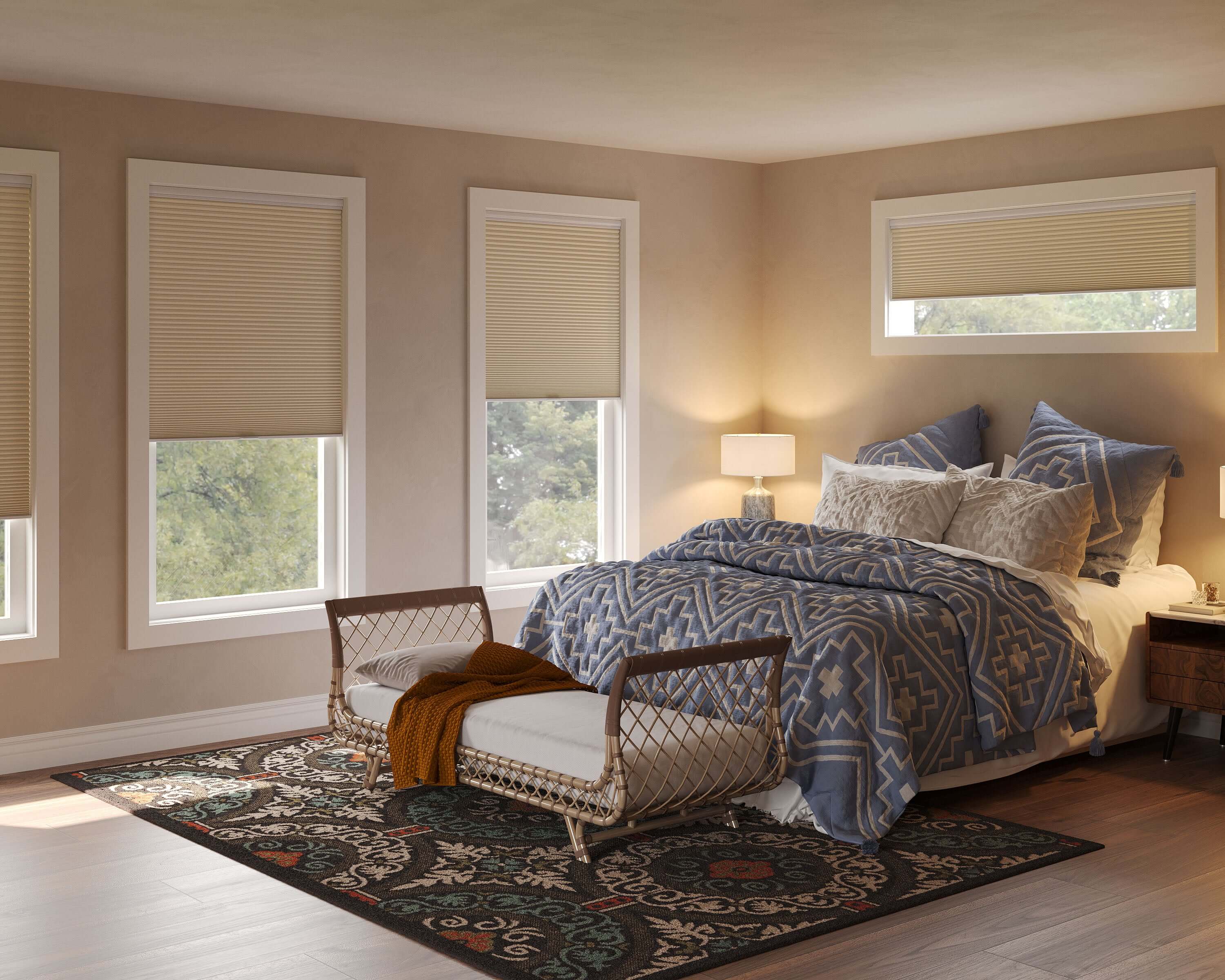
No-drill blackout binds are no need for any screws or wall anchors in mounting a tension bracket blind because these blinds mount by means of tension brackets which clamp on the inner part of the window casing. This makes them perfect for renters who do not wish to make any permanent modifications to their windows. They take only a few minutes to install and can be easily removed whenever one needs to move out or change their blinds. This makes them ideal for renters who want to avoid permanent changes, especially when combined with cordless blackout blinds for a fully hardware-free window.
Automatic Blackout Blinds
These automatic blackout blinds can be programmed to move up and down according to a particular schedule or through a remote or application-based command, thus eliminating the requirement of adjusting each blind individually day and night. This will be particularly helpful when the windows are located in difficult-to-access locations or when the blinds need to be adjusted according to sunlight. This works well for hard-to-reach windows, and for homeowners who want a fully hands-free setup, pairing this with cellular blackout blinds adds insulation on top of the convenience.
Electric Blackout Blinds
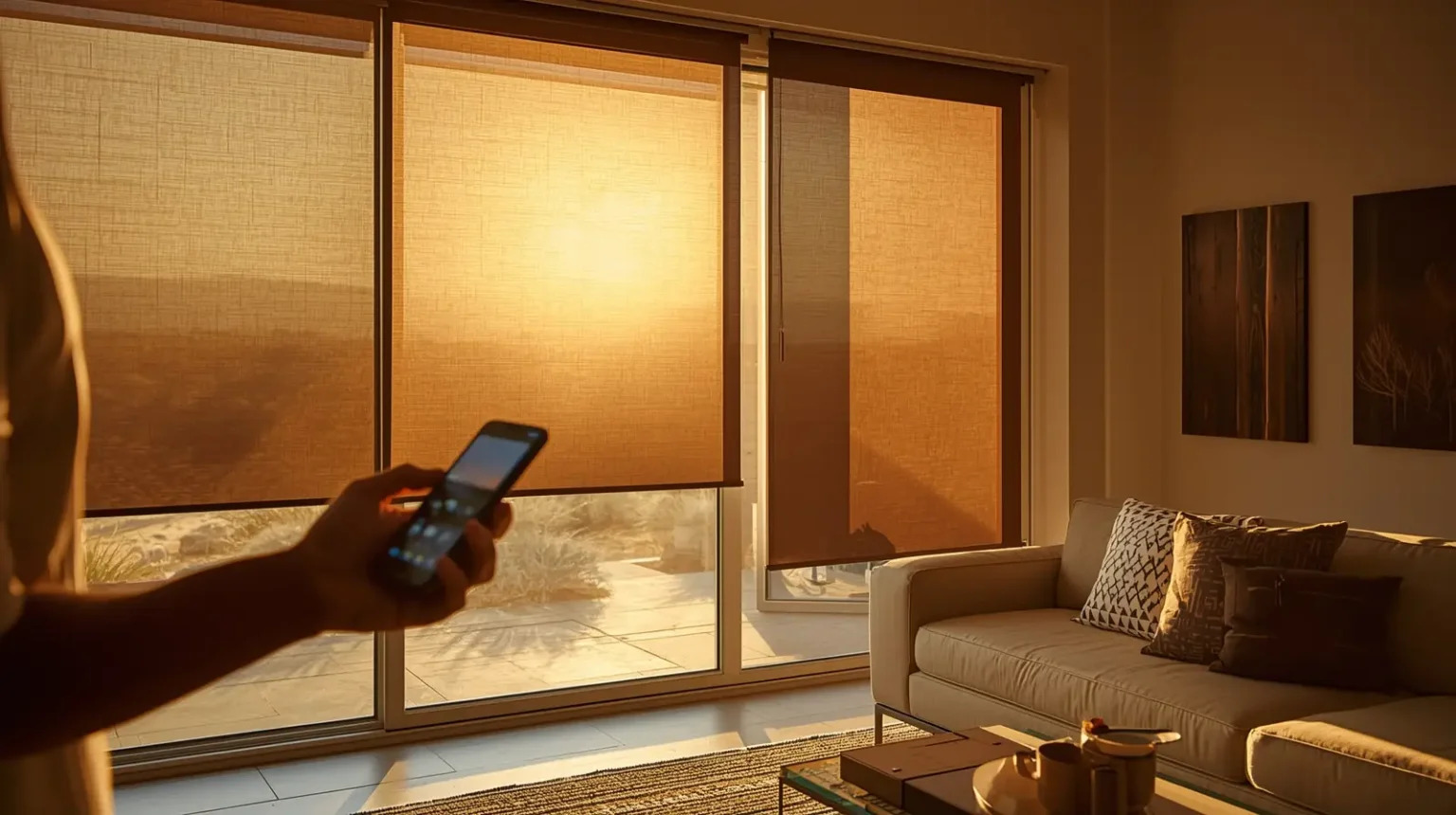
Electric blackout blinds operate using an electric motor instead of being pulled manually or using a wand, while many types can be connected to a building’s power source or use rechargeable batteries. Electric blinds have smoother operation than their manual counterparts, and they work well with other home automation systems.
Motorized Blackout Blinds
Motorized blackout blinds are very similar to automatic and electrical blind designs, but the name generally applies to a blind that can be operated by means of a specific remote controller or smart device rather than by switching on or off a wall light switch. They are highly suitable for large windows or those located at a distance, such as skylight windows.
Blackout Blinds Installation Guide
No matter which style you prefer, adherence to a good blackout blinds installation guide guarantees that the fit is snug because any gap at the edges will ruin an otherwise good fabric. Modern blind installations, regardless of whether they are of the "no drill" or "honeycomb" variety, are tension mount brackets that take less than 15 minutes to install using no tools.
Custom Blackout Blinds Online
Standard sizes rarely match a window's exact dimensions, which is where custom blackout blinds online make a real difference. Ordering through Haven Shades lets you submit your own measurements so the blind fits cleanly against the frame, whichever style you pick from the list above.
Conclusion
From honeycomb to motorized, all types of blackout blinds come with their unique advantage, be it thermal insulation, convenience, or safety for children. Choosing the right kind of shade and ensuring the right installation will turn your blind from one that simply dims your room into one that can black out your room. Ready to discover your perfect fit? Go on to check out the Haven Shades and browse through the entire collection of blackout blinds.
FAQs
What are the main types of blackout blinds?
The main types include honeycomb, roller, cellular, cordless, no drill, and motorized options, each suited to different rooms and needs.
Are honeycomb blackout blinds better than roller blinds?
Honeycomb blinds generally offer stronger insulation, while roller blinds are simpler and often more budget-friendly.
Can I get blackout blinds without drilling into my window frame?
Yes, no-drill blackout blinds use tension-mount brackets that install without screws or wall anchors.
Do motorized blackout blinds work with smart home systems?
Many motorized and electric blackout blinds can connect to smart hubs or apps for remote and voice control.
Subscribe to our Newsletter
Stay updated with sleep guides, bedroom decor inspiration, and exclusive product news.
Nick
Contributing writer and editor specializing in light control, bedroom aesthetics, and modern sleep science.


