The Science of Deep Sleep: How Darkness Affects Melatonin
Discover how even micro-luxes of light leakage can disrupt your brain's natural melatonin production and shallow your sleep cycles.

Melatonin is the hormone that signals to your body that it is time to sleep. It is synthesized by the pineal gland, and its release is dictated by light levels hitting your eyes. Even when your eyelids are closed, light receptors in your retina (specifically photosensitive ganglion cells) can detect ambient light leaking into your bedroom.
Studies show that exposure to as little as 5 to 10 lux of light—equivalent to a street lamp outside a window or a bright digital alarm clock—can suppress melatonin production, keeping you in lighter stages of sleep (Stages 1 and 2) and reducing deep, restorative slow-wave sleep.
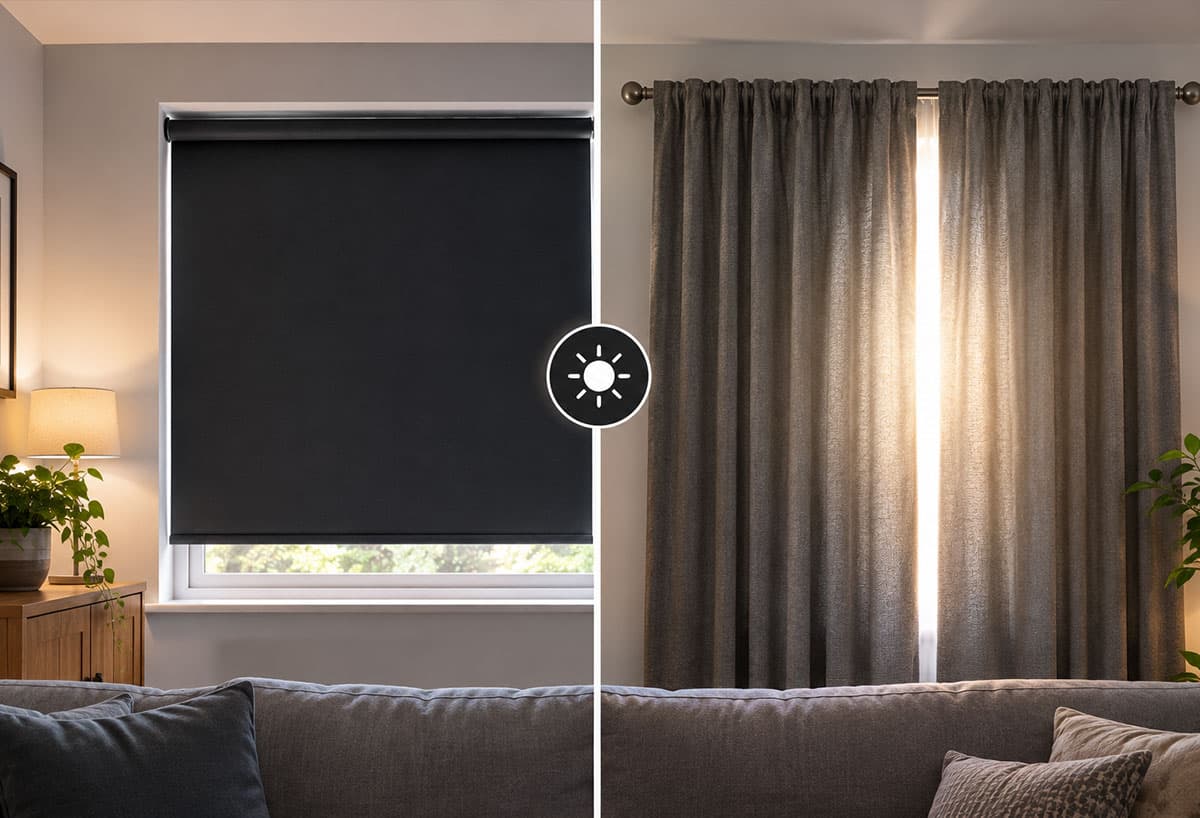
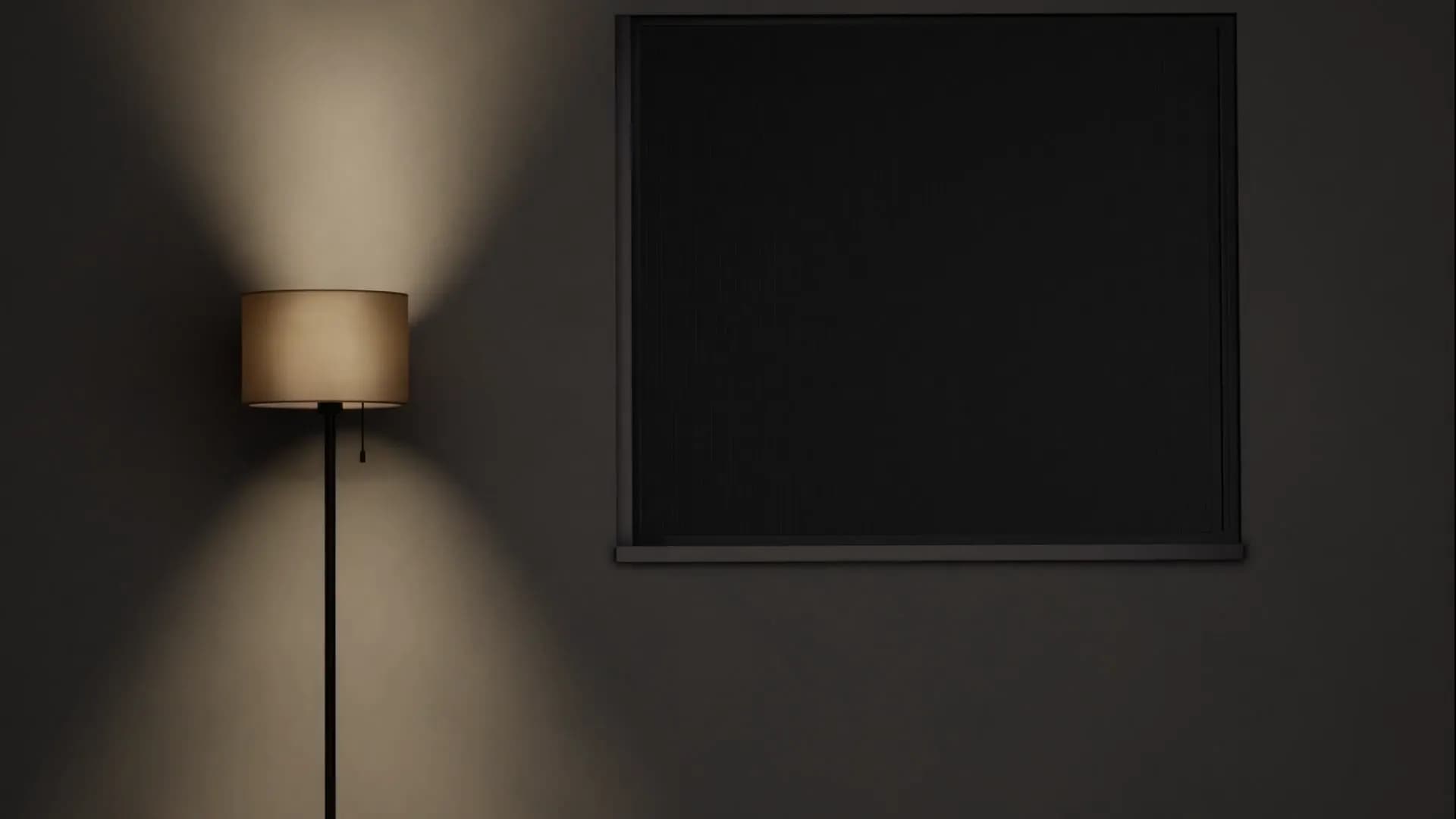
To maximize deep sleep and allow your cells to regenerate, your sleeping environment must achieve absolute darkness. This is why Haven's edge-seal track system blocks 100% of light leakage, allowing your biological clock to run undisturbed.
By eliminating light pollution entirely, you extend your REM cycles, lower your resting heart rate quicker, and wake up feeling profoundly rested.
Subscribe to our Newsletter
Stay updated with sleep guides, bedroom decor inspiration, and exclusive product news.
Marcus Thorne
Contributing writer and editor specializing in light control, bedroom aesthetics, and modern sleep science.