
Automatic Blackout Blinds: Smart Light Control at Home
Automatic blackout blinds are blackout window coverings operated by an electric motor rather than a traditional cord or manual mechanism.

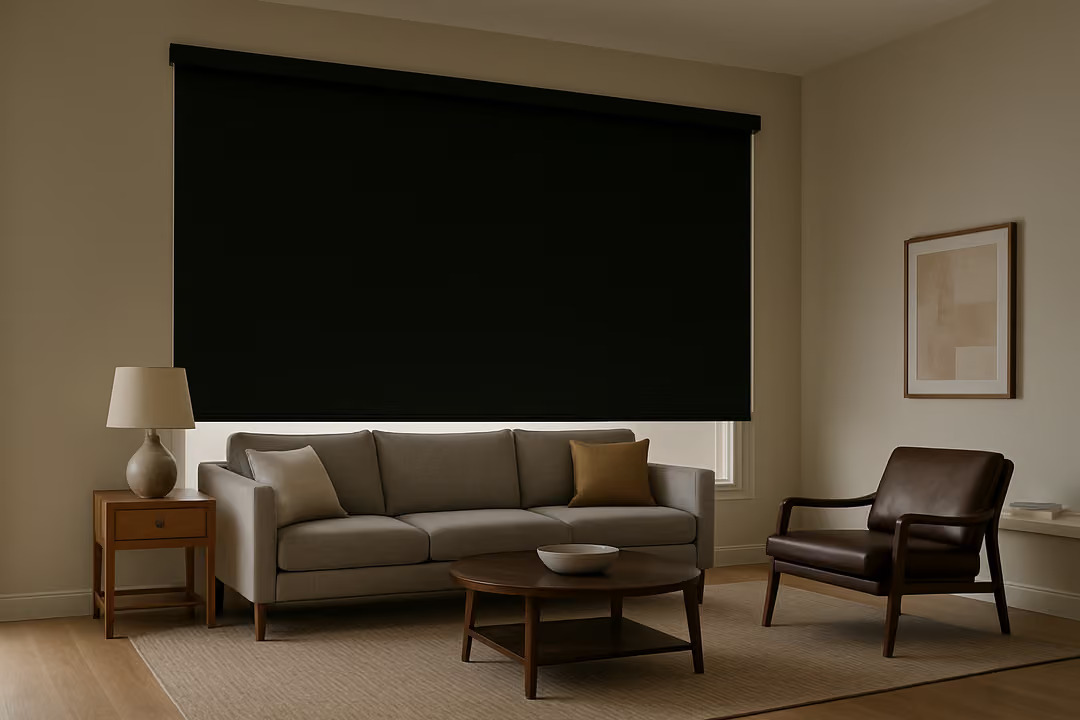
Table of Contents
What Are Automatic Blackout Blinds?
How Do Automatic Blackout Blinds Work?
Smart Home Integration
Battery-Powered vs. Hardwired Blinds
What Happens During a Power Outage?
Are Automatic Blackout Blinds Worth It?
Choosing the Right Automatic Blackout Blinds
FAQs
Conclusion
Imagine waking up to find the sun shining into your room through your bedroom window and finding that you could have activated your automatic blackout blinds before dawn! This is one of the reasons why automatic blackout blinds have become so popular in modern houses.
Automated window treatments involve blackout fabric and an electric system that helps operate the blinds without physically pulling them up and down. Depending on your system, remote controls, smartphones, timers, wall switches, or voice activation could all be possible.
Automation goes way beyond just convenience. An appropriately installed system could make it easier to deal with large or difficult windows and could help you gain more control over your privacy and lighting.
What Are Automatic Blackout Blinds?
Automatic blackout blinds are blackout window coverings operated by an electric motor rather than a traditional cord or manual mechanism.
They are available in several configurations, including:
Remote control blackout blinds operated with a handheld remote
App-controlled blackout blinds managed through a smartphone
Smart blackout blinds connected to compatible home automation systems
Timer-based systems that open and close at scheduled times
Voice-controlled blackout blinds operated through compatible smart assistants
Blackout performance still depends on the material of the shade itself; motorization doesn't guarantee fabric blackout performance. Material must block light, while installation should minimize gaps around windows.
This distinction is essential when considering motorized blackout blinds: automation controls movement, while fabric, fit, and mounting configuration determine how effectively windows are darkened.
How Do Automatic Blackout Blinds Work?
Automatic blackout blinds use a motor inside the shade or roller mechanism to move the blind up and down.
The motor receives a command from a remote, wall switch, app, timer, or connected smart-home system. Depending on the product, the system can also remember preferred positions or operate according to a schedule.
For example, an automatic blackout blinds for bedroom setup could be programmed to:
Close around bedtime
Open gradually in the morning
Remain closed during daytime naps
Adjust according to a daily schedule
Some systems can control multiple blinds simultaneously, which is useful when several windows need to open or close together.
For larger shades, motorization can also reduce the physical effort required to operate them.
Can They Connect to Smart Home Systems?
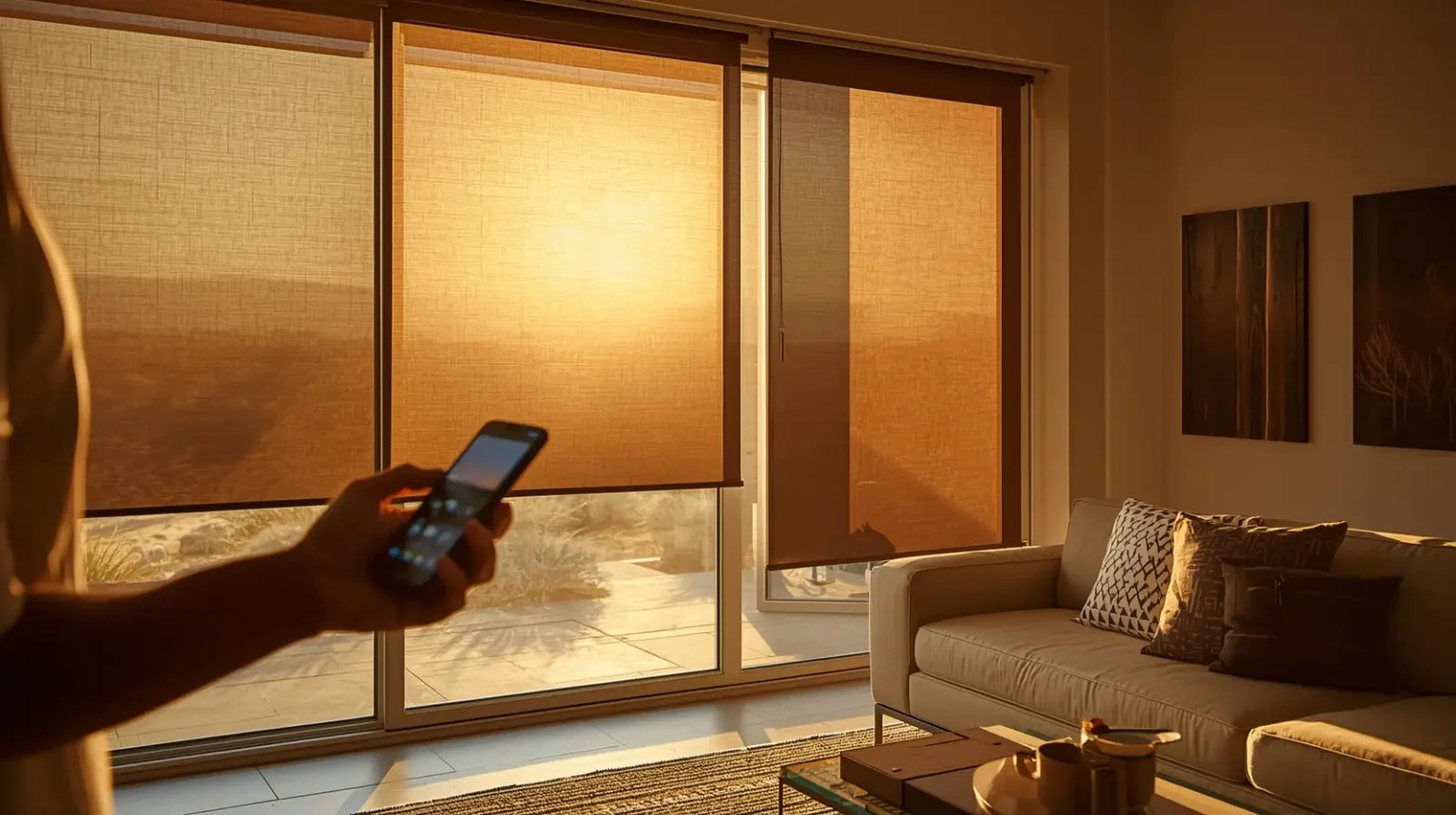
Motorized blinds have become an integral component of smart-home ecosystems, but compatibility depends on the motor, hub, and control system chosen for use.
Some systems integrate seamlessly with Amazon Alexa or Google Home platforms, enabling compatible blinds to be controlled using voice command or automated routines. Other solutions may be managed via dedicated apps or bridges.
Smart integration may prove beneficial when used for routines like:
"Close the bedroom blinds at 9 p.m."
or
"Open the living room blinds at sunrise."
Features can differ between manufacturers. Some support direct Wi-Fi connections, while others require an external hub or gateway device to function correctly.
Before purchasing smart home blackout blinds, always confirm whether or not they support the specific smart-home platform in use in your home. Compatibility shouldn't simply be assumed just because a product is "smart."
Battery-Powered vs. Hardwired Blinds
Automatic blackout blinds generally use either batteries, rechargeable power systems, or a wired electrical connection.
Power Type | Advantages | Considerations |
Battery-powered | Easier installation | Batteries require replacement or charging |
Rechargeable | Less frequent battery replacement | Requires periodic charging |
Hardwired | Continuous power | More involved installation |
Plug-in | Convenient for some locations | Requires nearby outlet |
If you would like to save yourself from having to do any electrical work, then a battery-powered system will be beneficial for you. It is especially useful during renovation projects when it is not practical to add new wiring.
A hardwired system offers constant electricity but usually entails more planning and installation.
If there are many windows to cover, think about how easy access will be for charging or replacement of batteries for your blinds. A battery-powered blind installed high on the wall is not as easy to reach as an eye-level one.
What Happens During a Power Outage?
The answer depends on the type of motor and power system being utilized.
Battery-operated blinds should continue operating as long as their batteries have enough charge, but hardwired systems may become inoperable during an outage and stop responding to electronic commands.
Motorized products often include manual overrides or backup power options; please check manufacturer specifications to ensure you purchase products with these features.
This is especially important in bedrooms, nurseries, and windows, which are difficult to reach manually. If a blind is essential to providing privacy or darkness in these environments, being prepared for power outages could prevent unpleasant surprises later.
Are Automatic Blackout Blinds Worth It?
They can be worth the additional cost when convenience, accessibility, or automation is important to you.
Manual blinds remain a practical option for smaller or easily accessible windows. However, automation becomes more useful when:
Windows are large or difficult to reach
Multiple blinds need to operate together
You want scheduled opening and closing
You prefer cord-free operation
You want to integrate blinds into a smart-home routine
Consistent bedroom light control is important
For example, someone working night shifts might use blackout shades on a timer to maintain darkness during daytime sleeping hours, while homeowners with large windows might prefer motorization since heavier shades are easier to operate electronically.
Cost depends on factors like blind size, fabric, motor, controls, power source, installation method, and smart-home features. Comparing all elements together provides a better indication of value than looking solely at motor costs alone.
Choosing the Right Automatic Blackout Blinds
Start With the Window
Take care to measure the width and height carefully and assess the accessibility of the window. Bigger windows will need more motor capacity than smaller windows.
Check Blackout Performance
Don’t get fixated on the term "blackout." There will always be gaps at the edges, the top, and the bottom of the shade. If complete darkness is essential, the installation procedure is equally important as the fabric.
Decide How You Want to Control It
Think about whether you want remote control, app control, wall switch control, time-based automation, or voice command control.
Check Smart Compatibility
Ensure that the window treatment can integrate with other smart home devices if you use Alexa or Google Home and others.
Consider Installation
Some motorized blackout systems require professional electrical installation, while others can be mounted more simply and with just the press of a button. Haven Shades provides installation guidance for their blackout products with an emphasis on an easy set-up process. You can also explore its blackout blind options.
Conclusion
Automatic blackout blinds combine light control and everyday convenience into one product. Instead of manually adjusting each window shade individually or multiple windows at the same time, automated blinds allow for control via remote, app, schedule, or smart home systems.
Consider more than motorization when making your decision; prioritize blackout fabric, window size, perimeter coverage, power source, control options, installation requirements, and smart-home compatibility when making the best selection.
If you are comparing blackout solutions for your home, explore Haven Shades' complete blackout blinds guide to understand the different options, or talk to an expert about finding a system suited to your windows.
FAQs
How do automatic blackout blinds work?
The automated blackout shades will use a motor to control the opening and closing of the blinds. Based on the type of system used, they can be controlled through a remote control, mobile application, wall switch, timer, or any other smart home system that is compatible.
Can automatic blackout blinds connect to smart home systems like Alexa or Google Home?
Many systems can connect to Alexa, Google Home, or other smart-home platforms; however, their compatibility depends on your motor and control system. Always double-check with the manufacturer before making a purchase decision.
Are automatic blackout blinds battery-powered or hardwired?
They could be either one. Battery-operated or rechargeable blinds tend to make installation easier; hardwired blinds provide constant power but might necessitate some electrical work.
What happens to automatic blackout blinds during a power outage?
It varies. Battery-operated blinds will keep working until their power is drained, while hardwired blinds might stop reacting to signals due to the lack of power. Some models include manual override functionality or alternative power sources.
Are automatic blackout blinds worth the extra cost over manual blinds?
Yes, they could be, especially if you own big, hard-to-reach, or often-used windows. Scheduled operation, remote control options, and easier operation could justify extra expenses.
Subscribe to our Newsletter
Stay updated with sleep guides, bedroom decor inspiration, and exclusive product news.
Adele
Contributing writer and editor specializing in light control, bedroom aesthetics, and modern sleep science.


